Article
Strengthening Last-Mile Health & Wellness Ecosystem
Opportune moment to reflect on how this system is contributi...
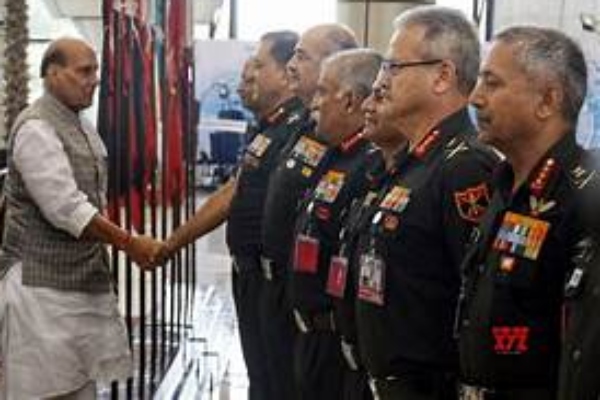
The presentations underscored changing geopolitical landscape.
Regarding extra charges that hotels and restaurants may impose.

Enables seniors to make small daily payments with confidence.
The presentations underscored changing geopolitical landscape.

Regarding additional charges that hotels and restaurants may impose.
Initiatives in mining, energy supply, maritime operations and support.
Information about “Know Your Candidate” tab on the ECINet App.
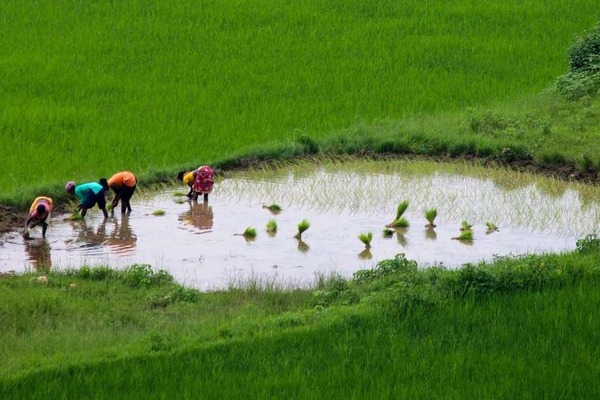
The Court recognised that establishing MSP is a multifaceted issue.
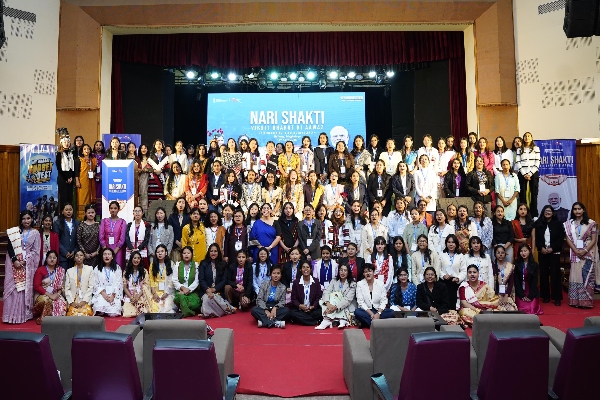
Concluded with an engaging virtual interaction by Union Minister.
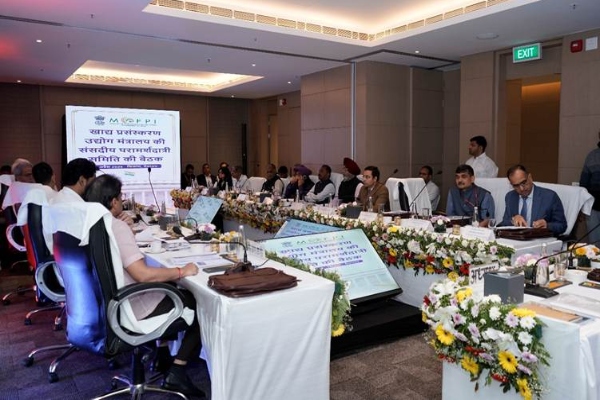
Meetings chaired by Chirag Paswan, Minister of Food Processing Industries.
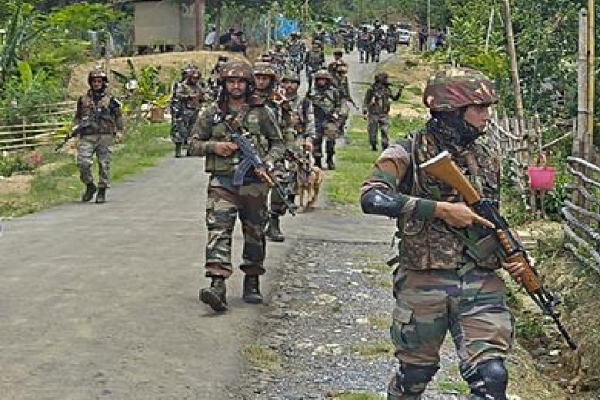
The conclave introduced the "Veteran Achiever Award".
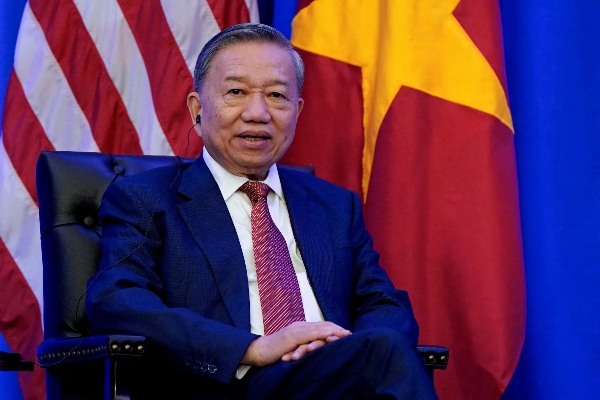
As the President of the Socialist Republic of Vietnam.
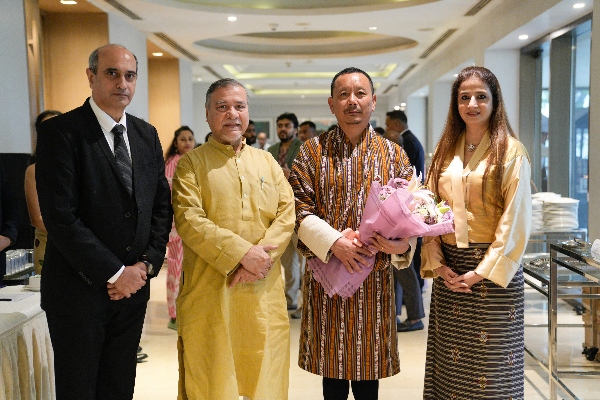
Supporting tourism, strengthening business and educational exchanges.
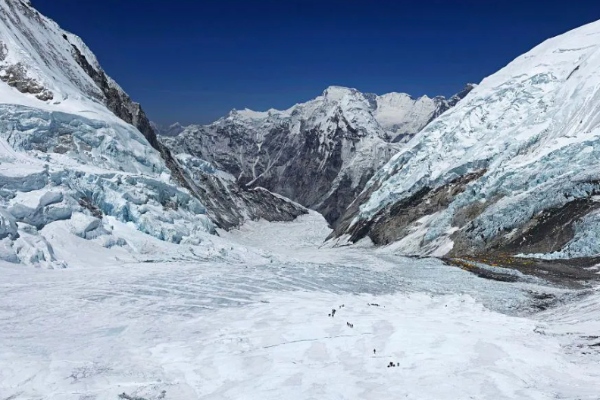
Most comprehensive evidence yet of glacier change in the region.
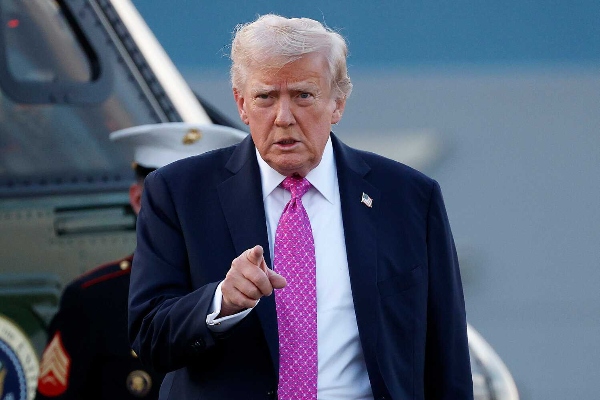
Claimed US had no prior knowledge of Israel's violent actions.

With Bangkok and Singapore services via Guwahati this April.

Many more departed for other countries in Europe and Asia.

80 sailors killed in attack, 32 rescued alive by the Sri Lankan Navy.
An advisory urges flight operators to closely monitor security situation.

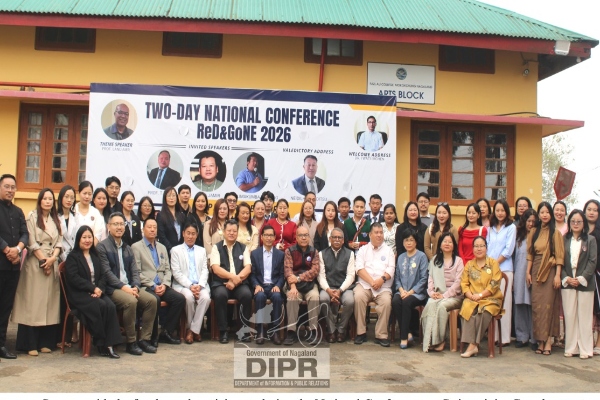
Recorded with pride and purpose this landmark occasion.
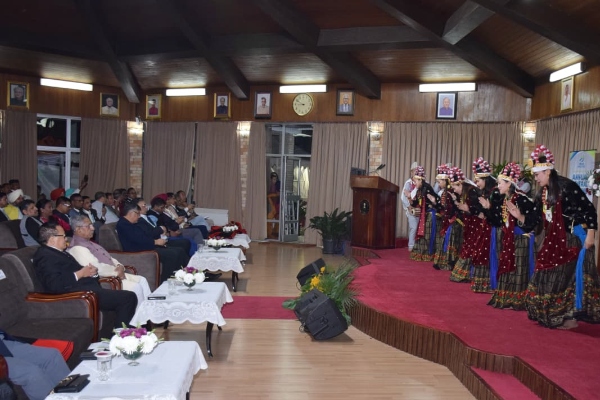
The Governor highlighted the historic nature of the event.
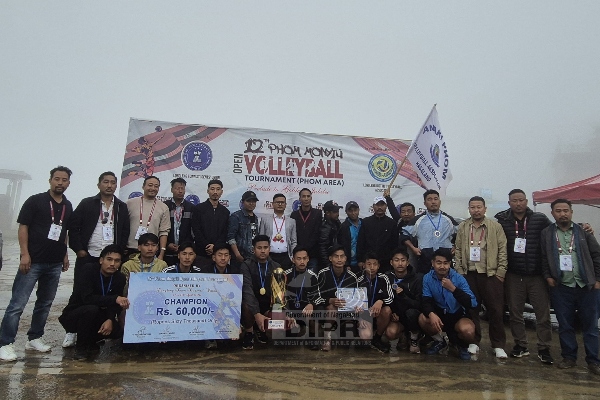
The tournament was organised by the Longleng Town Students’ Union.
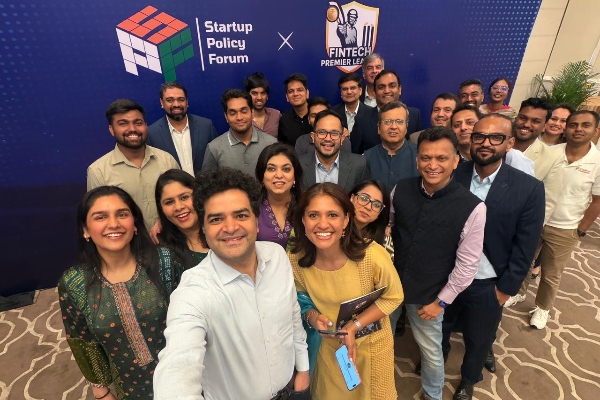
For its 2nd Edition Partnership announced at Fintech Baithak.
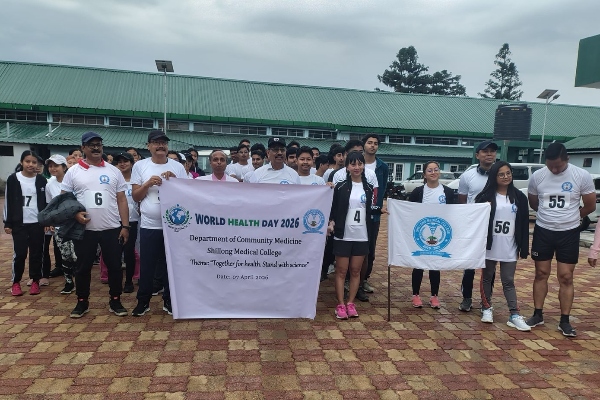
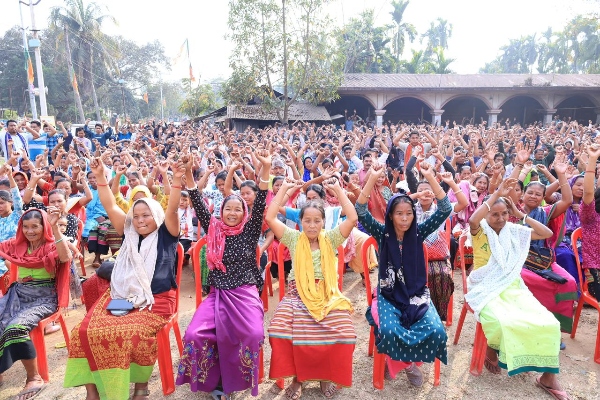
This initiative underscored importance of community engagement.
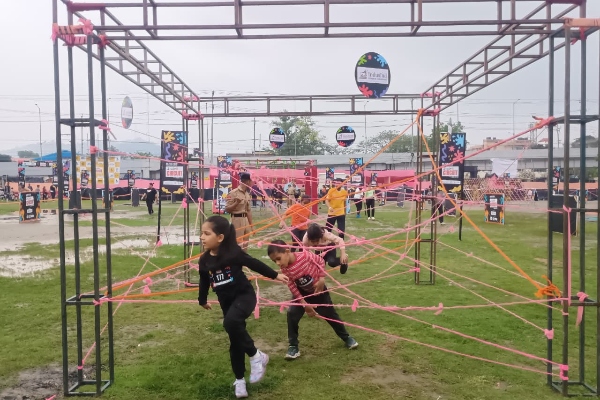
City’s first experiential kids’ race puts focus on participation.
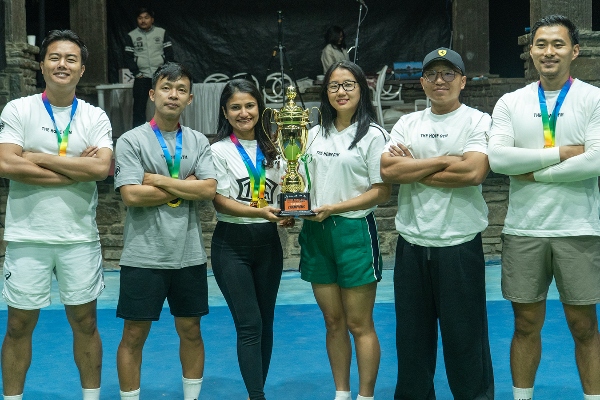
The tournament featured over 80+ participants across categories.
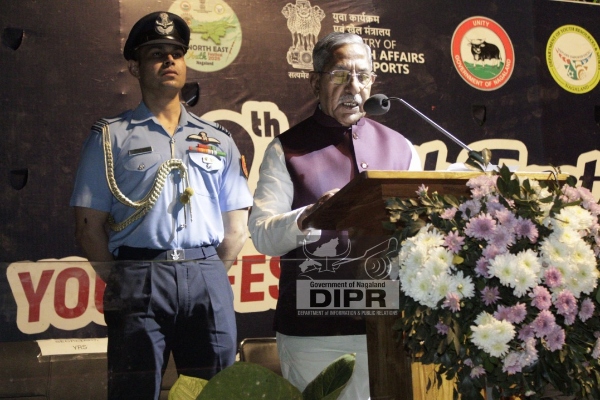
Welcomed delegates from northeastern states and other participants.
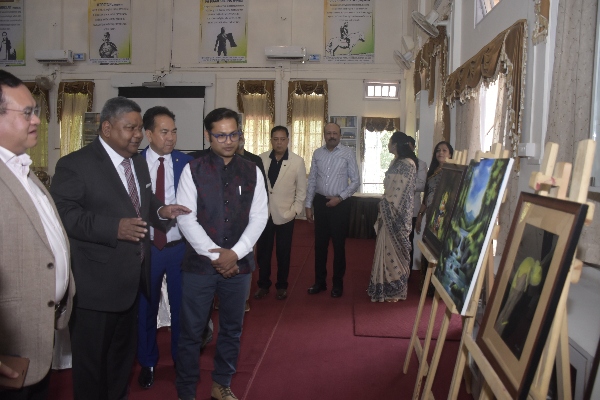
Showcasing a diverse range of artistic expressions
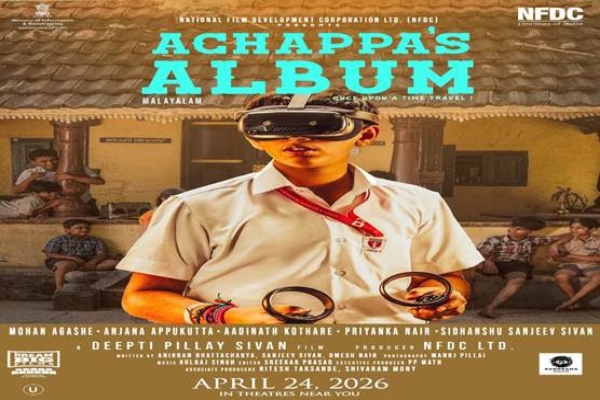
Film captures a unique family fantasy, blending an innovative time-travel
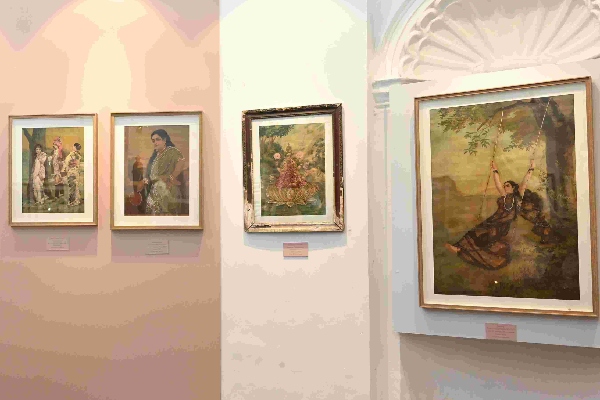
Presented by RGA Group at Arzaani Atelier Privé, Bikaner House.
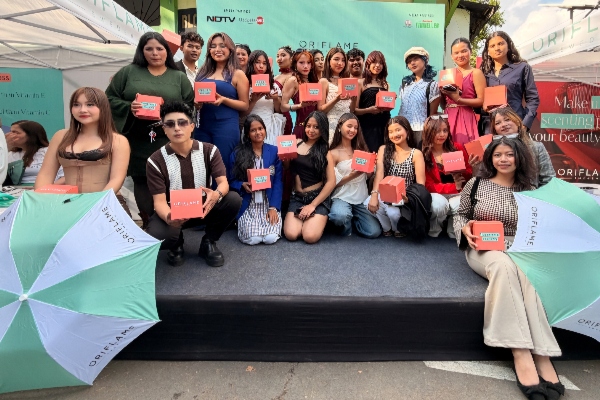
India’s Largest Regional Influencer Campaign reached it's next step.
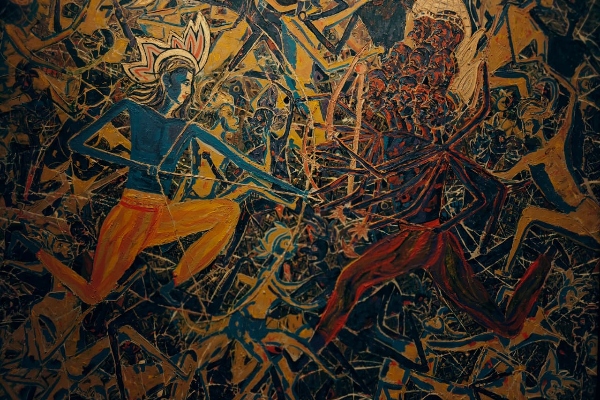
By Jayant K, Ambassador of India to Spain and Andorra.

Bringing together legends and some of India’s rock pioneers.
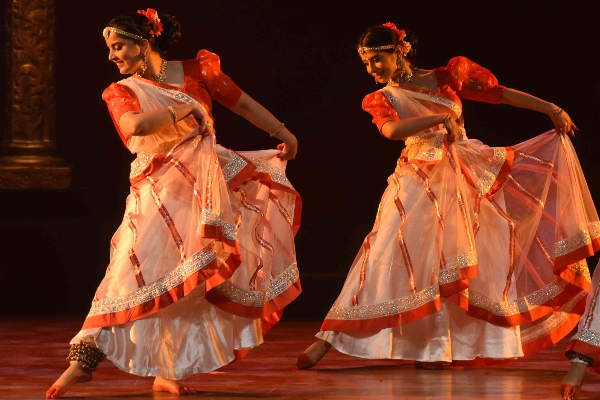
Followed by an engaging dialogue on Tagore’s modern relevance.

Presenting collections inspired by the theme Tribal Fusion.
Regarding extra charges that hotels and restaurants may impose.
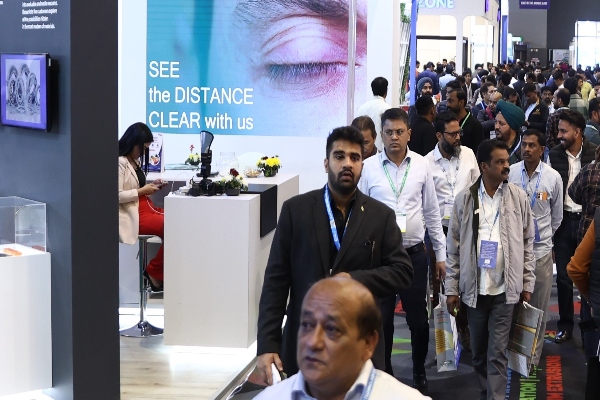
To present practical solutions for south India’s building industry.
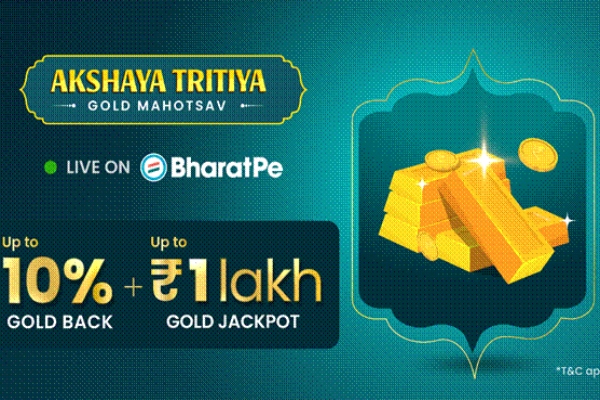
Across Invest BharatPe, BharatPe for Business and BharatPe app.
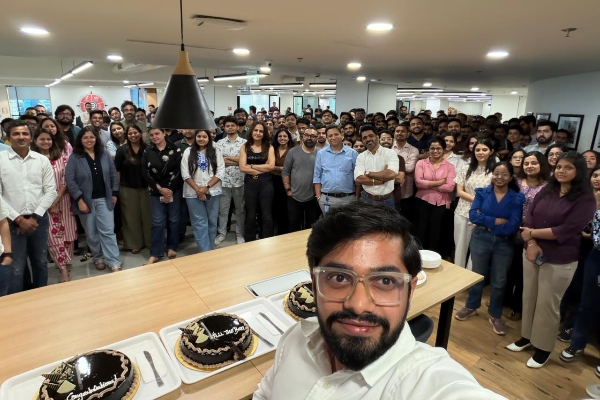
Transitioning into a Strategic Advisor role effective May 1.
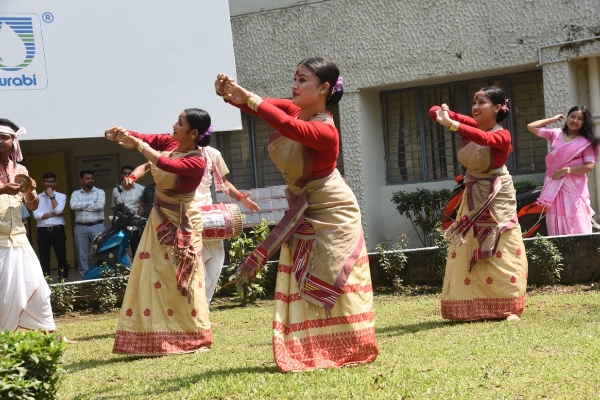
Cooperative’s expansion continues by its growing farmer base.
To help enterprises accelerate and augment workflows across software.

Brings ActiveProtect 1.2 to India on World Backup Day.